Application Guide

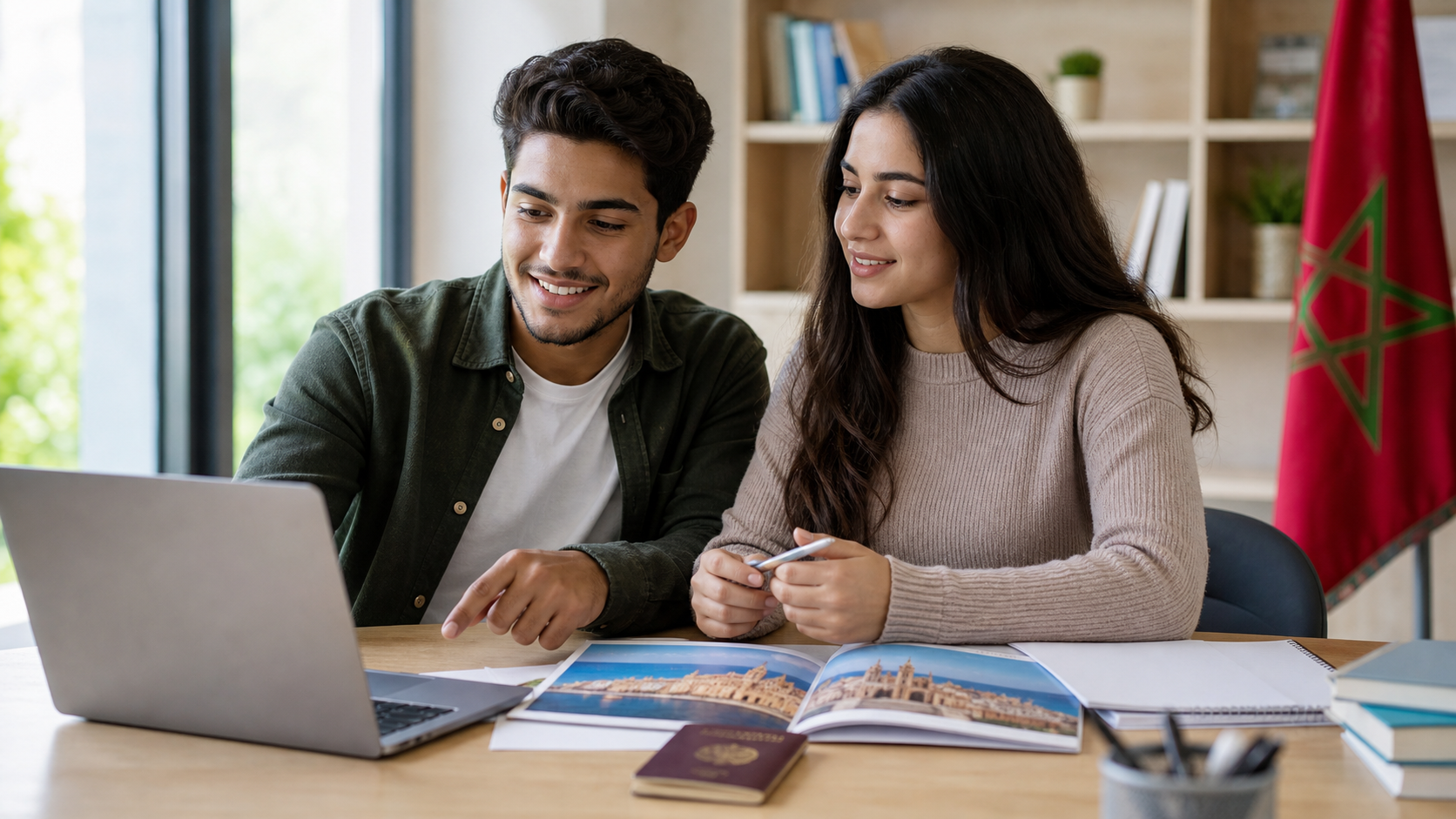
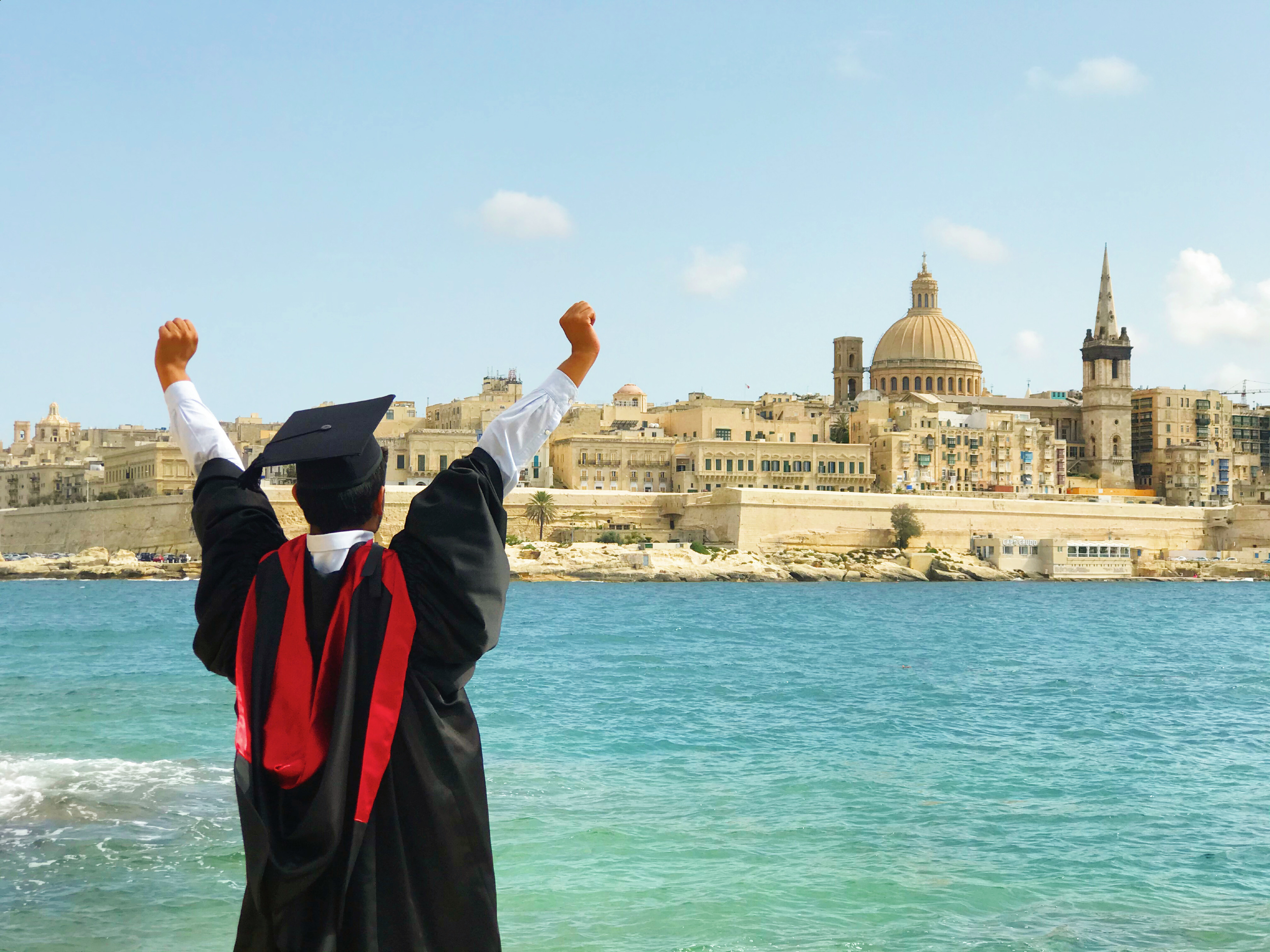
Moroccan students can study in Malta by choosing an accredited English-taught program, preparing academic and financial documents, receiving an acceptance letter, and applying for the correct student visa or residence route before travelling. Malta is especially attractive because English is an official language, degrees are recognised in the EU, and the island is close enough to Morocco for many families to see it as a practical European study option.
This guide explains how to study in Malta from Morocco, what documents to prepare, how to think about visa timing, and which mistakes to avoid before paying tuition or booking flights.
Ready to study in Malta from Morocco?
Apply NowMalta combines English-language education, EU recognition, Mediterranean proximity, and a student lifestyle that is easier to adapt to than many larger European destinations. Students from Casablanca, Rabat, Fes, Tangier, Marrakesh, Agadir, and other Moroccan cities often choose Malta because it offers an international study environment without the scale and complexity of bigger countries.
The biggest academic advantage is language. Moroccan students often study in Arabic and French, but many want to improve English for international careers. In Malta, English is used in education, public administration, business, tourism, finance, iGaming, and everyday communication.

Moroccan applicants should choose a program based on academic background, English level, budget, and long-term goal. A recent baccalaureate graduate may look at foundation or bachelor's programs, while a university graduate may prefer master's degrees, postgraduate diplomas, or professional courses.
Explore Study Programs in Malta
Browse bachelor's, master's, and English language programs available to international students.
Browse All ProgramsEntry requirements depend on the level of study. For undergraduate programs, institutions usually review your Moroccan baccalaureate, transcripts, passport, English level, and sometimes a motivation statement. For postgraduate programs, they review your bachelor's degree, university transcripts, CV, English level, and the relevance of your previous studies.
If your documents are in French or Arabic, check whether certified English translations are required. Do this early. Translation and legalisation can take longer than expected, especially when students wait until the admission deadline is close.
A complete file helps the institution issue a decision faster and reduces the risk of visa delays later. Moroccan students should usually prepare a valid passport, academic transcripts, certificates, translations if required, CV for postgraduate routes, motivation letter, proof of English level if requested, proof of funds, accommodation plan, health insurance, and any police conduct document requested for the visa process.
Keep names consistent across passport, transcripts, translations, bank letters, and sponsorship documents. Small spelling differences can slow admissions and visa review.
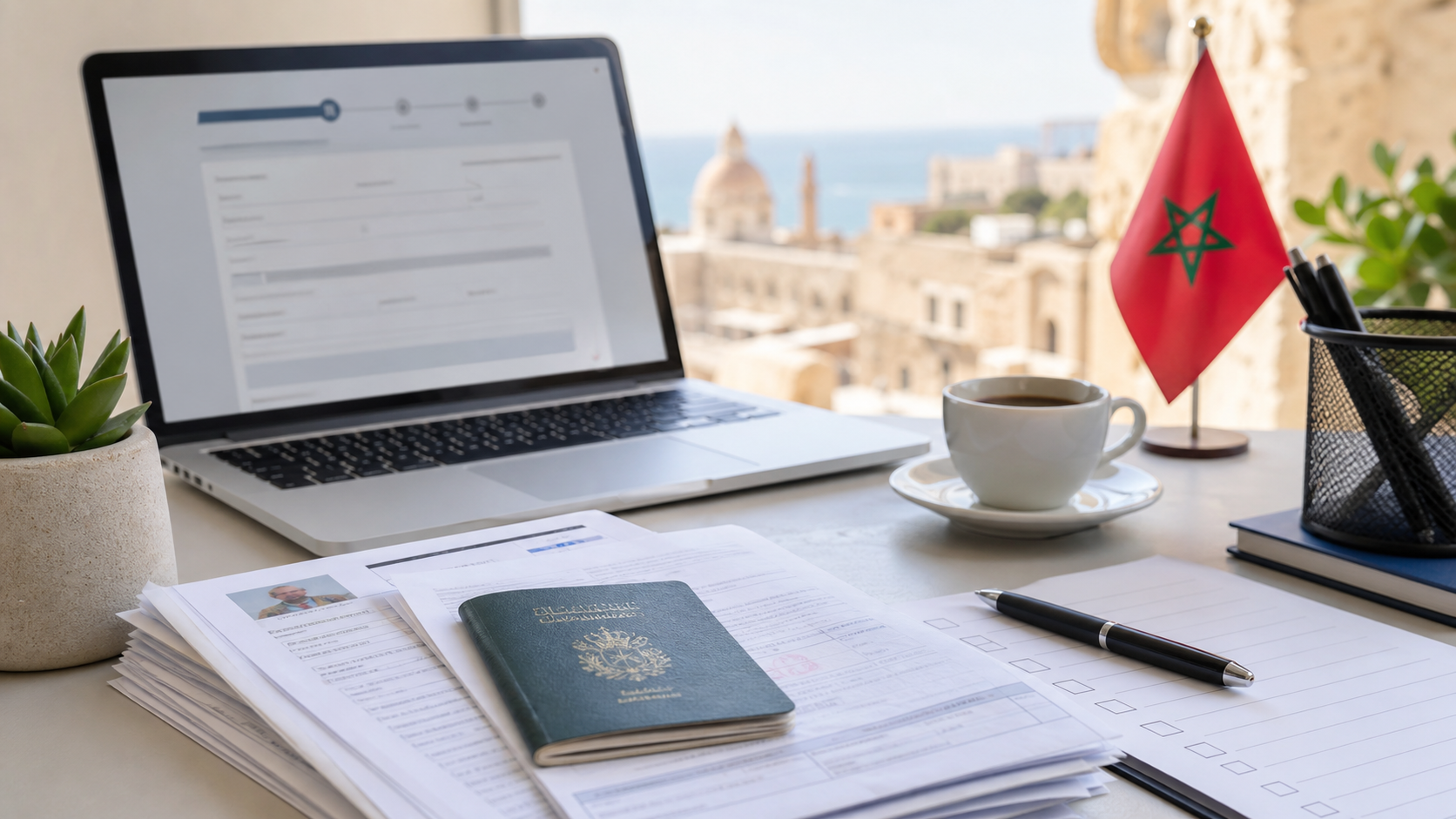
Moroccan students normally need the correct entry and residence authorisation to study in Malta for programs longer than a short stay. The exact process depends on course length, institution, current Malta rules, and personal circumstances. Always verify the latest visa requirements before submitting documents because immigration rules can change.
Most long-term students need an acceptance letter from an accredited institution, proof of funds, valid passport, health insurance, proof of accommodation, and supporting documents showing the study plan is genuine. Your file should tell a coherent story: you have been accepted, you can afford the studies, you know where you will live, and your academic plan makes sense.
Free Study in Malta Webinar
Join our free webinar and get expert answers about studying in Malta, visa requirements, and available programs.
Register for the Free Webinar
Your total budget has three parts: tuition fees, living costs, and application or visa-related expenses. Tuition varies by institution and program. English language courses are usually priced differently from bachelor's and master's degrees, and professional programs may include additional registration, material, or exam fees.
As a planning range, many students budget around EUR 4,000 to EUR 10,000 or more per year for tuition, plus monthly living costs for accommodation, food, transport, insurance, and personal expenses. Families should treat part-time work as support, not as the main funding source, because visa files usually need to show that the student can afford the studies without relying entirely on future income.
International students may be eligible for part-time work in Malta if they meet the conditions attached to their student status and employment authorisation. Work rules can change, so confirm current rules before planning your budget. Even when work is allowed, students should protect study performance first.
Common student-friendly sectors include hospitality, customer service, administration, retail, tourism, and support roles. English ability is important, and French or Arabic can be an advantage in some customer-facing environments.
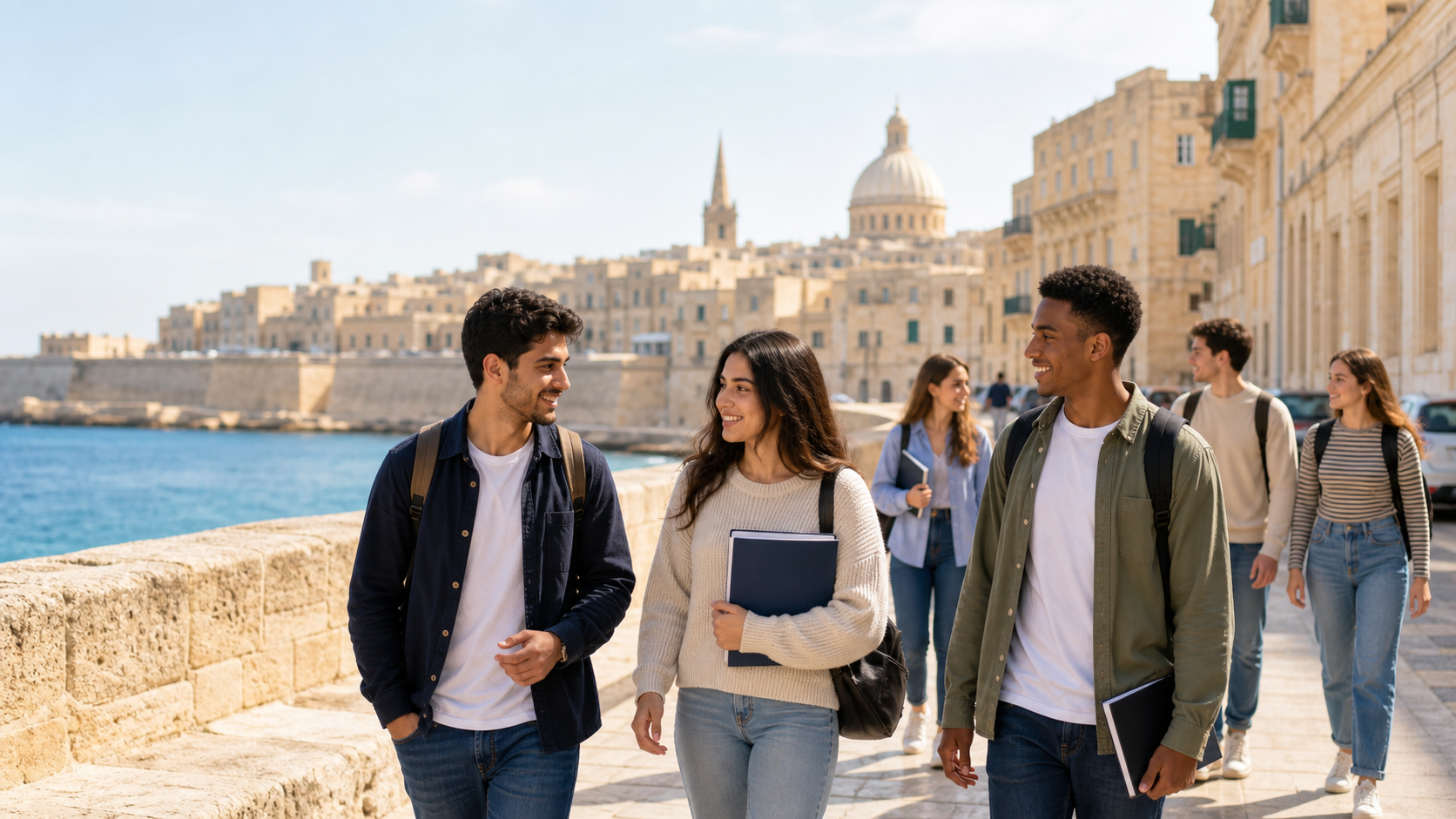
Start three to five months before your intended intake. Use the first stage to choose your study goal, budget, and preferred program. Then prepare academic documents, passport, translations, and English proof. After admission, prepare the visa file, proof of funds, insurance, and accommodation. Book travel only when the visa decision is secure.
Want help choosing a program before you apply?
Start Your ApplicationCan I study in Malta with a Moroccan baccalaureate? Yes. Many institutions can assess Moroccan baccalaureate documents for foundation or undergraduate entry. The exact decision depends on grades, subject match, English level, and the institution's admission rules.
Is Malta better than France or Spain for Moroccan students? It depends on your goal. Malta is especially attractive if you want English-taught education, a smaller country, and an EU study environment. France or Spain may be better if your priority is French or Spanish language study.
Do I need IELTS to study in Malta from Morocco? Some programs require IELTS or another English proof, while others may accept an internal assessment or previous English-medium study. Check before applying.
Can my family sponsor my studies? Family sponsorship may be accepted when properly documented. Sponsor letters, bank statements, proof of relationship, and evidence of income should be clear and consistent.
Studying in Malta from Morocco is realistic when you choose the right program, prepare documents early, and build a strong visa file. Malta can offer Moroccan students English-language education, EU exposure, practical study routes, and a student lifestyle that feels international without being overwhelming.
To compare your options, view all study programs in Malta, join our free webinar, or start your application with Outreach Recruitment.
Malta Study Guide
Access the full Malta Study Guide for visa steps, universities, costs, scholarships, accommodation, and more.
Read the Full Malta Study GuideExplore Study Programs in Malta
Browse bachelor's, master's, and English language programs available to international students.
View All Study Programs in MaltaFree Study in Malta Webinar
Get expert answers about studying in Malta, visa requirements, and available programs.
Join Our Free Study in Malta WebinarReady to study in Malta?
Apply to Study in MaltaContent freshness: Published 11 June 2026. Next review due: 11 December 2026, or earlier if Malta student visa rules change.